 ultimate-guide
Owner Representative Fees for Construction: 2026 Guide
Table of Contents
- Understanding Owner Representative Fees for Construction
- Owner's Representative Scope of Work and Fee Models
- Construction Project Management Fees: What Drives Costs
- Hiring an Owner's Representative Checklist
- Frequently Asked Questions
Last Updated: September 3, 2026
Owner Representative Fees for Construction: 2026 Guide
Understanding Owner Representative Fees for Construction
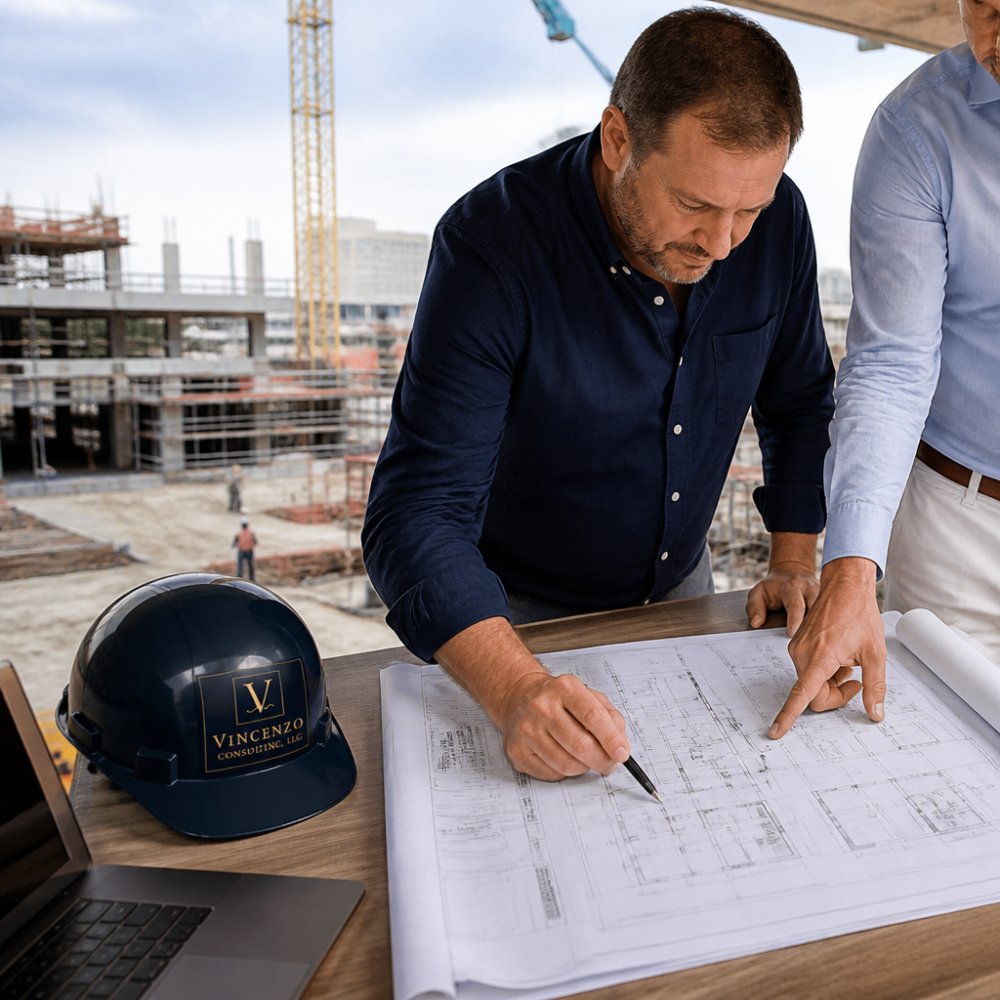
An owner's representative is a professional advocate who manages construction projects on behalf of the property owner. Unlike a general contractor, the owner's rep works exclusively for you, not the builder, ensuring your interests stay protected throughout every phase.
Owner representative fees vary based on project scope, complexity, and delivery method, typically aligning with total project cost, timeline, and services required (aia.org). Understanding these structures helps you evaluate whether hiring representation makes financial sense.
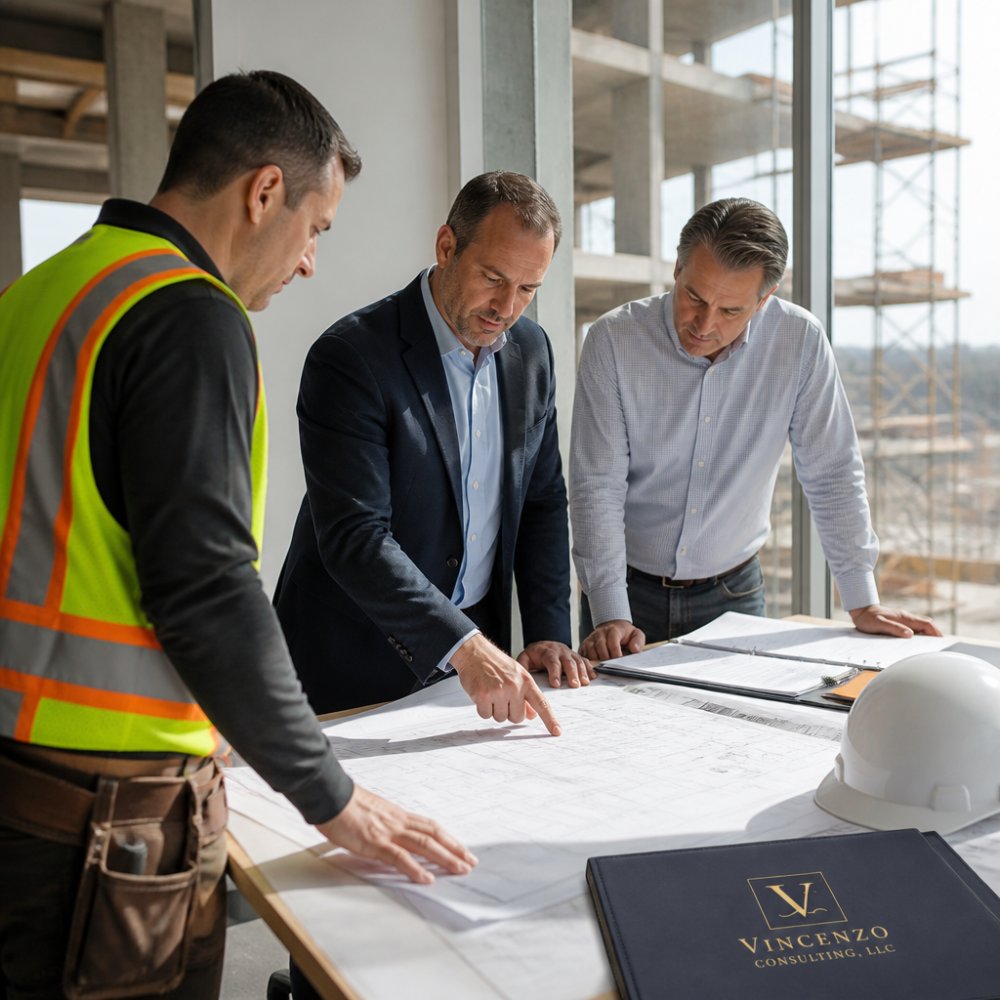
The decision to hire an owner's representative hinges on one question: what's the cost of not having one? Budget overruns, scope creep, and construction delays compound quickly. Disciplined oversight often prevents cost overages that exceed any professional fee.
Owner's Representative Scope of Work and Fee Models
The scope of work defines your fee structure. An owner's representative typically manages contract administration, change order review, budget oversight, and contractor coordination, with some also handling pre-construction services like value engineering.
Fee models break into three primary categories:
Percentage of Construction Cost ties the fee directly to your total project budget, aligning the representative's incentive with cost control. The percentage decreases as project size increases, reflecting economies of scale (pmi.org).
Hourly Rate Billing suits smaller projects or uncertain scope. You pay for time invested, requiring clear documentation of hours and deliverables.
Monthly Retainer provides fixed monthly fees for ongoing oversight or phased projects with clearly defined phases.
Your fee structure should match your project's actual needs. A smaller renovation doesn't require the same oversight intensity as a large mixed-use development. Matching fee model to project reality keeps costs proportional.
Construction Project Management Fees: What Drives Costs
Construction project management fees depend on project complexity, timeline pressure, and geographic location. Infrastructure projects with environmental reviews and government permitting cost more to oversee than straightforward commercial construction.
The contractor selection process and construction phase also affect fees. Projects requiring competitive bidding demand more oversight than those with a single builder.
An owner's representative prevents costly mistakes through rigorous financial discipline. Change order management alone often justifies the entire professional fee on mid-sized projects.
Professional oversight isn't overhead; it's investment protection. Projects without disciplined management tend to experience cost growth that exceeds any professional fee by multiples.
Hiring an Owner's Representative Checklist
When evaluating candidates, verify three core competencies: experience with your project type, demonstrated budget control track record, and authority to make decisions on your behalf.
Evaluate their fee proposal against your project's actual needs. Does the scope of work match your complexity? Clarify what happens if timeline or scope changes significantly.
Confirm their on-site presence and decision authority. Your agreement should specify how decisions get made when issues arise mid-project.
Check references from similar projects matching your scale, timeline, and complexity. Ask about cost performance relative to original budget and how they handled scope changes.
Protecting your construction investment requires more than hiring a general contractor. You need an advocate whose incentives align with yours, someone with the authority, experience, and discipline to control costs while maintaining quality. Vincenzo Consulting, LLC brings over 35 years of executive leadership to owner representation, ensuring your vision stays protected and your budget stays controlled throughout every phase of construction.
Vincenzo Consulting, LLC
White-Glove Construction Oversight & Owner's Representation
📧 contact@vincenzoconsulting.com
🌐 www.vincenzoconsulting.com
Frequently Asked Questions
What does an owner's representative actually do on a construction project?
An owner's representative protects your interests throughout construction by overseeing budget compliance, schedule adherence, and quality standards. They manage contractor coordination, review change orders, conduct site inspections, and serve as your advocate during disputes or cost overruns. Unlike a construction manager hired by the contractor, an owner's representative works exclusively for you, ensuring alignment between scope, budget, and timeline with your original project objectives.
How are owner representative fees typically structured in construction?
Owner representative fees follow several models: percentage of construction cost, hourly rates for specific services, monthly retainer arrangements, or lump-sum fees for defined deliverables. The structure depends on project complexity, duration, and scope of services. Percentage-based fees align the representative's interests with cost control, while hourly or retainer models work well for ongoing oversight. Your fee structure should reflect the level of risk mitigation and financial discipline your project requires.
Is hiring an owner's representative worth the cost?
Owner's representative fees often return their value through cost control and risk mitigation. An owner's representative catches scope creep early, negotiates change orders effectively, and prevents contractor disputes that drain both time and capital. For complex projects with multiple stakeholders or tight budgets, the investment in white-glove owner advocacy protects long-term property value and ensures predictable project execution.
This article was written using GrandRanker
Frequently Asked Questions
Q: What does an owner's representative actually do on a construction project?
A: An owner's representative protects your interests throughout construction by overseeing budget compliance, schedule adherence, and quality standards. They manage contractor coordination, review change orders, conduct site inspections, and serve as your advocate during disputes or cost overruns. Unlike a construction manager hired by the contractor, an owner's representative works exclusively for you, ensuring alignment between scope, budget, and timeline with your original project objectives.
Q: How are owner representative fees typically structured in construction?
A: Owner representative fees follow several models: percentage of construction cost, hourly rates for specific services, monthly retainer arrangements, or lump-sum fees for defined deliverables. The structure depends on project complexity, duration, and scope of services. Percentage-based fees align the representative's interests with cost control, while hourly or retainer models work well for ongoing oversight. Your fee structure should reflect the level of risk mitigation and financial discipline your project requires.
Q: Is hiring an owner's representative worth the cost?
A: Owner's representative fees often return their value through cost control and risk mitigation. An owner's representative catches scope creep early, negotiates change orders effectively, and prevents contractor disputes that drain both time and capital. For complex projects with multiple stakeholders or tight budgets, the investment in white-glove owner advocacy protects long-term property value and ensures predictable project execution.