 how-to
How to Select Construction Oversight: A Complete Guide
Table of Contents
- What Construction Oversight Is and Why It Matters
- Benefits of Independent Construction Oversight
- Owner's Representative Responsibilities: What to Expect
- Construction Oversight Checklist: Vetting the Right Professional
- How to Select Construction Oversight: Step-by-Step Process
- Common Mistakes to Avoid When Selecting Oversight
- Conclusion
- Frequently Asked Questions
Last Updated: August 28, 2026
What Construction Oversight Is and Why It Matters
Construction oversight is independent monitoring and management of a construction project on behalf of the owner to ensure scope, budget, timeline, and quality align with the original vision. It's owner advocacy conducted by a neutral third party whose loyalty is exclusively to you, not the builder.
A general contractor manages the project to meet their profitability targets and schedule. An independent construction oversight professional manages the project to meet your objectives. When those goals diverge, and they often do, you need someone whose job is to protect your interests.
Construction oversight covers pre-construction planning through final certification, including budget tracking, schedule adherence, quality verification, regulatory compliance, contractor coordination, and dispute resolution. For complex projects, luxury estates, commercial developments, and infrastructure work, the right oversight professional becomes an extension of your executive team, catching problems before they become expensive.
At Vincenzo Consulting, LLC, we ensure the protection of your vision and the preservation of long-term property value through rigorous financial discipline and strategic oversight, aligning scope, budget, and schedule with your objectives. The cost of fixing problems mid-project can be substantial compared to the investment in professional oversight from day one.
Benefits of Independent Construction Oversight
Professional construction oversight delivers protection across four critical dimensions: financial, temporal, qualitative, and legal.
Budget adherence is the first tangible benefit. An independent oversight professional tracks every change order, verifies labor and material costs against market rates, and flags scope creep before it becomes a surprise. They act as a financial gatekeeper, ensuring contractor invoices match work performed.
Schedule protection is equally concrete. Construction delays compound, a two-week framing delay cascades through mechanical rough-in, electrical, and finishes (pmi.org). An oversight professional monitors critical path activities, identifies bottlenecks early, and enforces contractor accountability to agreed timelines.
Quality assurance ensures the finished product matches design intent and specification. This includes material verification, installation process observation, and testing protocols. When a contractor cuts corners, an oversight professional catches it before it's hidden behind walls or locked into the final product.
Regulatory compliance and permitting removes a layer of risk. An oversight professional ensures work meets local building codes, inspections happen on schedule, and permits stay current. For complex projects with environmental reviews or multi-jurisdictional permits, this expertise prevents costly delays and rework.
Professional oversight also provides conflict resolution authority. When disputes arise, an independent professional with no financial stake can mediate between owner and contractor, evaluate competing claims fairly, and make decisions that keep the project moving.
Owner's Representative Responsibilities: What to Expect
An owner's representative, also called an owner's advocate or construction oversight professional, serves as your on-site executive presence throughout the project lifecycle.
Pre-construction responsibilities include reviewing design documents for constructability, identifying potential conflicts or cost drivers, coordinating with permitting authorities, and facilitating the pre-construction meeting where owner, architect, contractor, and major trades align on scope, schedule, and quality standards.
During construction, the oversight professional conducts regular inspections (frequency depends on project complexity), verifies work matches specifications, reviews and approves submittals, processes change orders, tracks budget and schedule, coordinates trades, and documents everything in field reports.
Quality verification includes material inspections before installation, observation of critical processes, and testing coordination. The oversight professional verifies that the contractor performed work correctly.
Change order management evaluates cost and schedule impact, negotiates fair pricing, and ensures changes are documented and approved before work begins.
Final certification involves a comprehensive final walk-through, punch-list creation, verification that all items are corrected, and confirmation that the project is ready for occupancy.
Throughout, the oversight professional maintains detailed project documentation: daily logs, photographic records, correspondence, change orders, permits, and inspection reports. This documentation becomes your legal record of what was built and whether it meets specification.
Construction Oversight Checklist: Vetting the Right Professional
Selecting the wrong oversight professional is worse than selecting none. A poor choice gives false confidence while providing no real protection. Use this checklist to evaluate candidates.
Experience and Track Record
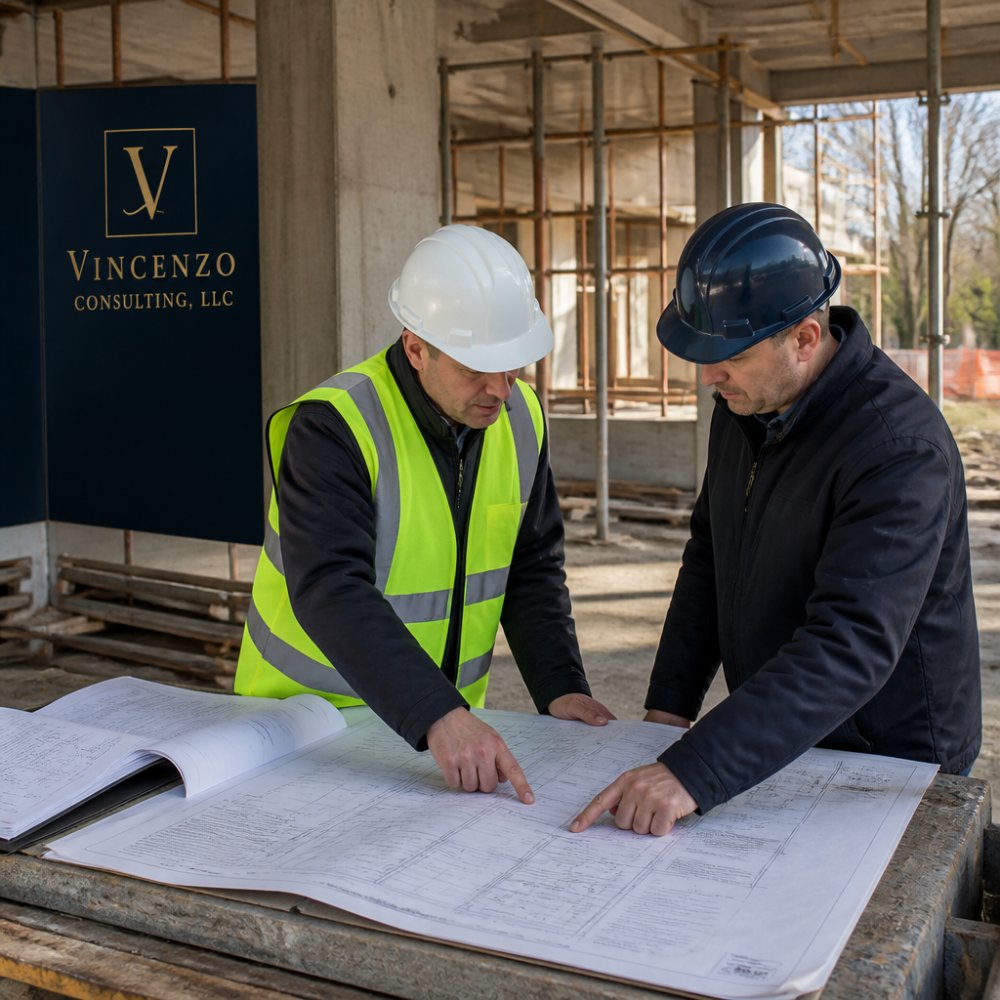
Ask for a portfolio of completed projects similar in scope and complexity to yours. Request three references from recent projects and call them. Ask specific questions: Did the professional catch problems early? Did the project stay on budget and schedule? Was communication clear and timely?
Look for experience across your project type. A professional specializing in residential luxury estates brings different expertise than one focused on commercial work. Ideally, they've managed projects at your budget level and in your market.
Years of experience matter. Ask what projects they've managed recently.
Technical Expertise and Certifications
Construction oversight requires technical knowledge across multiple disciplines: structural systems, mechanical and electrical design, building codes, project management, and contract administration. Look for professionals with formal credentials: PE (Professional Engineer), AIA (American Institute of Architects), or DBIA (Design-Build Institute of America) membership.
Certifications in construction management, construction administration, or construction law add credibility. Match certifications to your project needs.
Ask about ongoing professional development. Does the candidate attend industry conferences? Do they maintain current knowledge of code changes and best practices?
On-Site Presence and Responsiveness
Ask about their on-site schedule: How many days per week will they be present? Will they be available during critical phases? What's their response time for urgent issues?
For complex or high-value projects, you want the principal on-site regularly.
Ask how they handle escalation. If a contractor is non-compliant or a quality issue surfaces, what's the immediate response? The best oversight professionals have clear authority to enforce standards without delay.
How to Select Construction Oversight: Step-by-Step Process
Selecting the right construction oversight professional requires a structured approach. Follow these steps to ensure alignment with your project goals.

Step 1: Define Your Project Scope and Oversight Needs
Before interviewing candidates, clarify what you need. Is this a ground-up luxury estate, commercial renovation, or infrastructure project? What's the total budget and timeline? How many trades will be involved?
Document your project objectives in writing. What matters most: staying on budget, meeting schedule, achieving quality standards, managing risk? Different professionals excel at different priorities. Being clear about yours helps you evaluate fit.
Identify specific concerns that drive your need for oversight. Have you had projects derail before? Are you concerned about budget discipline, quality standards, or contractor accountability? Share these with candidates; their response reveals how they think about your situation.
Step 2: Establish Your Budget and Timeline Expectations
Discuss oversight fees early and transparently. Ask candidates how they structure fees and what's included: on-site visits, report preparation, meeting attendance, change order review, final certification. Clarify what's billed separately.
Confirm the project timeline and ask how the oversight professional's schedule aligns with yours. If your project runs 18 months, can they commit that duration?
Step 3: Research and Shortlist Qualified Professionals
Start with referrals from your architect, engineer, or general contractor. Check industry directories, professional associations, and online reviews. Look for professionals specializing in your project type with recent relevant experience.
Narrow your list to three to five candidates. Request credentials, portfolio, and references. Review their websites and recent projects.
Call references before scheduling interviews. Ask targeted questions about their experience with that professional.
Step 4: Conduct Interviews and Review References
Meet with each candidate in person if possible. Discuss their approach to your specific project. How would they structure oversight? What's their process for quality verification, budget tracking, and issue resolution?
Pay attention to their communication style. Do they explain complex issues clearly? Do they listen to your concerns? The best oversight professionals are curious, collaborative, and clear.
Ask about their experience with conflict resolution. How have they handled contractor disputes? Their answer reveals their approach to protecting your interests.
Review references thoroughly. Ask about specific situations: How did this professional handle budget overruns? Did they catch quality issues early? Were they responsive when problems surfaced?
Step 5: Clarify Authority and Decision-Making Power
Before hiring, define the oversight professional's authority in writing. Can they approve or reject work? Can they issue stop-work orders? Can they approve change orders up to a certain amount?
The clearer the authority, the more effective the oversight. Define a decision-making framework: routine decisions can be delegated; major decisions require your approval.
Discuss escalation protocols. If a serious issue surfaces, how will it be communicated and resolved?
Common Mistakes to Avoid When Selecting Oversight
Hiring based on lowest cost. Construction oversight fees are a fraction of total project cost. Selecting the cheapest option often means selecting a less experienced professional. The potential for budget overruns can outweigh savings on fees.
Confusing project management with owner's representation. A project manager hired by the contractor works for the contractor. An owner's representative works for you. Ensure you're hiring someone whose loyalty is exclusively to you.
Assuming your architect or contractor can provide oversight. Architects are designers, not project managers. General contractors have financial incentives that conflict with owner protection. You need a separate professional.
Selecting someone without construction experience. Oversight requires hands-on knowledge of construction processes, materials, and methods. An accountant or coordinator without construction background cannot effectively verify quality.
Hiring someone overextended across multiple projects. If your oversight professional manages multiple concurrent projects, inquire about their capacity and on-site presence for your specific needs. Ask about their current workload and capacity.
Failing to define authority in writing. Vague authority creates confusion and delays. Define decision-making power clearly in the contract.
Expecting oversight to replace contractor accountability. Professional oversight monitors and enforces contractor performance; it doesn't replace the contractor's responsibility. The contractor remains accountable for quality, schedule, and budget.
Conclusion
Selecting construction oversight is one of the most important decisions you'll make for a major project. The right professional protects your vision, preserves your budget, ensures quality, and provides peace of mind.
Use this guide to evaluate candidates systematically. Look for experience, technical expertise, on-site presence, and clear authority. Interview thoroughly. Call references. Clarify expectations in writing before you sign.
At Vincenzo Consulting, LLC, we've spent over 35 years helping owners navigate complex construction projects with disciplined oversight and unwavering advocacy. Whether you're building a custom estate, managing a commercial development, or overseeing infrastructure work, our authoritative approach guarantees disciplined project execution and accountability, delivering predictable results from custom estates to industrial developments.
If you're ready to discuss how professional construction oversight can protect your project, we'd welcome the conversation.
Vincenzo Consulting, LLC
www.vincenzoconsulting.com
[email protected]
Frequently Asked Questions
Q: What does construction oversight actually do on a project?
A: Construction oversight professionals act as the owner's advocate throughout the project lifecycle. They monitor contractor performance, verify compliance with building codes and project specifications, manage change orders, track budget adherence, and ensure the installation process aligns with design intent. They provide on-site monitoring, field reports, and quality assurance to protect your investment and timeline.
Q: When should you hire independent construction oversight?
A: You should consider independent construction oversight for any project where budget protection, regulatory compliance, or design quality is critical. This includes custom residential homes, complex commercial developments, infrastructure projects, and renovations involving multiple trades. Large-scale projects and those with tight deadlines particularly benefit from professional oversight to mitigate risk and ensure accountability.
Q: What qualifications should you look for in a construction oversight professional?
A: Look for professionals with extensive experience in your project type, relevant certifications (such as AIA or DBIA credentials), demonstrated expertise in construction administration and technical oversight, and a proven track record managing projects similar in scope and complexity to yours. Verify their understanding of local building codes, permit navigation, and conflict resolution protocols. Ask about their on-site presence expectations and digital reporting capabilities.
Q: How does independent construction oversight differ from hiring a general contractor?
A: A general contractor manages the day-to-day construction work and is responsible for completing the project. An independent construction oversight professional represents the owner's interests, monitors the contractor's performance, verifies quality and compliance, and protects your budget and schedule. This separation creates accountability and ensures an objective third party is monitoring project delivery without financial incentive to cut corners or accelerate timelines unsafely.
Vincenzo Consulting, LLC White-Glove Construction Oversight & Owner's Representation
Over 35 years of executive leadership in construction management, owner advocacy, and project discipline.
Led by Paul V. Facchina Jr.
Contact us for a confidential consultation: [Your Website URL] [Your Email Address]
This article was written using GrandRanker