 ultimate-guide
Why Hire Construction Owner Representation
Table of Contents
- What Construction Owner Representation Actually Does
- Owner's Representative Responsibilities on Your Project
- Owner's Representative vs Construction Manager: Key Differences
- When to Hire an Owner's Representative
- How Owner's Representatives Protect Your Interests and Vision
- Owner's Representative Hiring Checklist
- Measurable Outcomes: What Success Looks Like
- Frequently Asked Questions
Last Updated: October 10, 2026
What Construction Owner Representation Actually Does
Construction owner representation is the practice of hiring an independent advocate to protect your interests throughout a building project, from planning through closeout. Unlike a general contractor who manages the actual construction work, an owner's representative works exclusively for you, ensuring your vision stays intact, your budget holds, and your schedule stays on track.
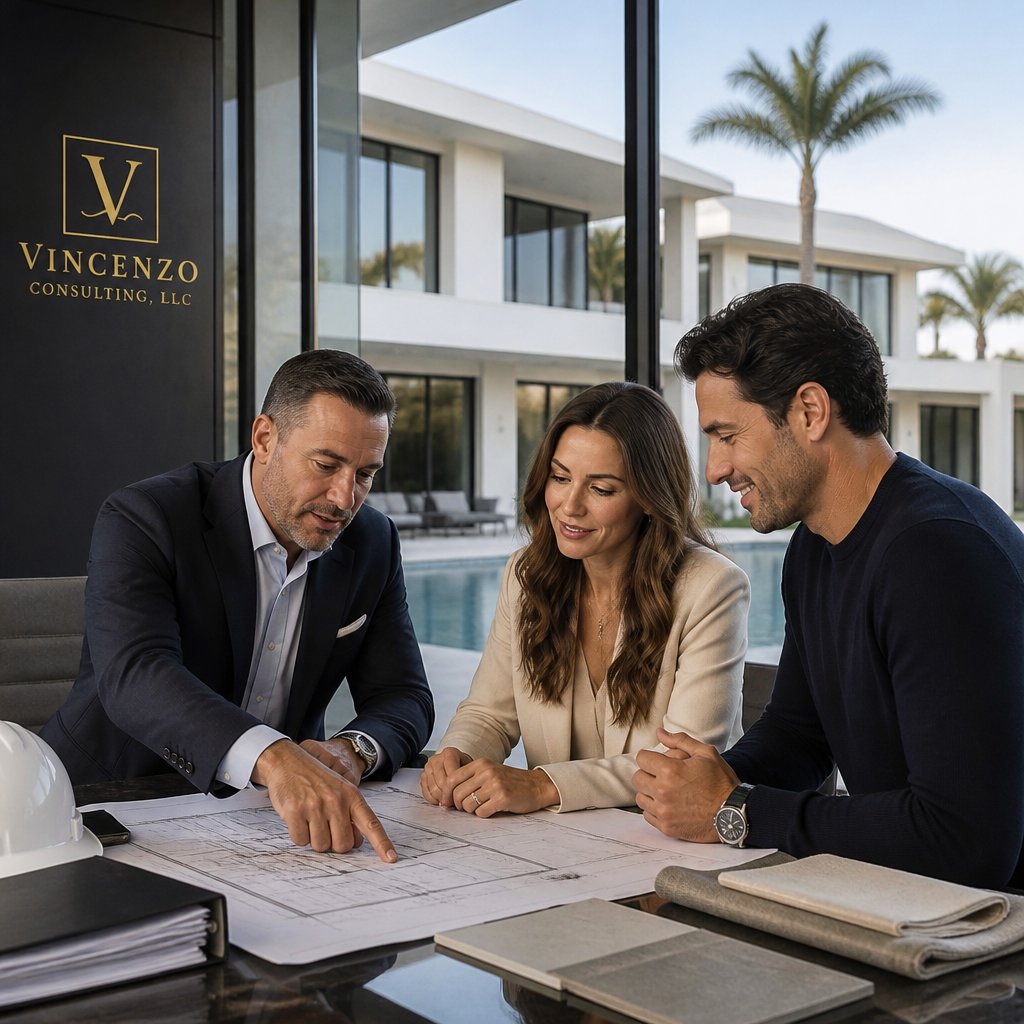
An owner's representative sits between your vision and the construction team, catching problems before they become expensive.
Your representative monitors every aspect of project delivery as your eyes and ears, ensuring contractors meet their obligations.
Owner's Representative Responsibilities on Your Project
An owner's representative protects your capital investment and timeline through three core functions: budget oversight, schedule management, and quality assurance.
Budget Oversight and Cost Control
Your representative tracks every dollar spent against your approved budget, reviews contractor invoices before payment, and flags change orders before approval.
Your representative enforces the budget by questioning scope changes, validating contractor claims, and protecting contingency reserves.
Schedule Management and On-Time Delivery
Your representative maintains the project schedule by tracking milestones, identifying delays early, and enforcing completion dates through contract mechanisms.
Delays cost money through extended financing and overhead. A representative who keeps the project moving protects your bottom line far more effectively than reactive problem-solving.
Quality Assurance and Contractor Accountability
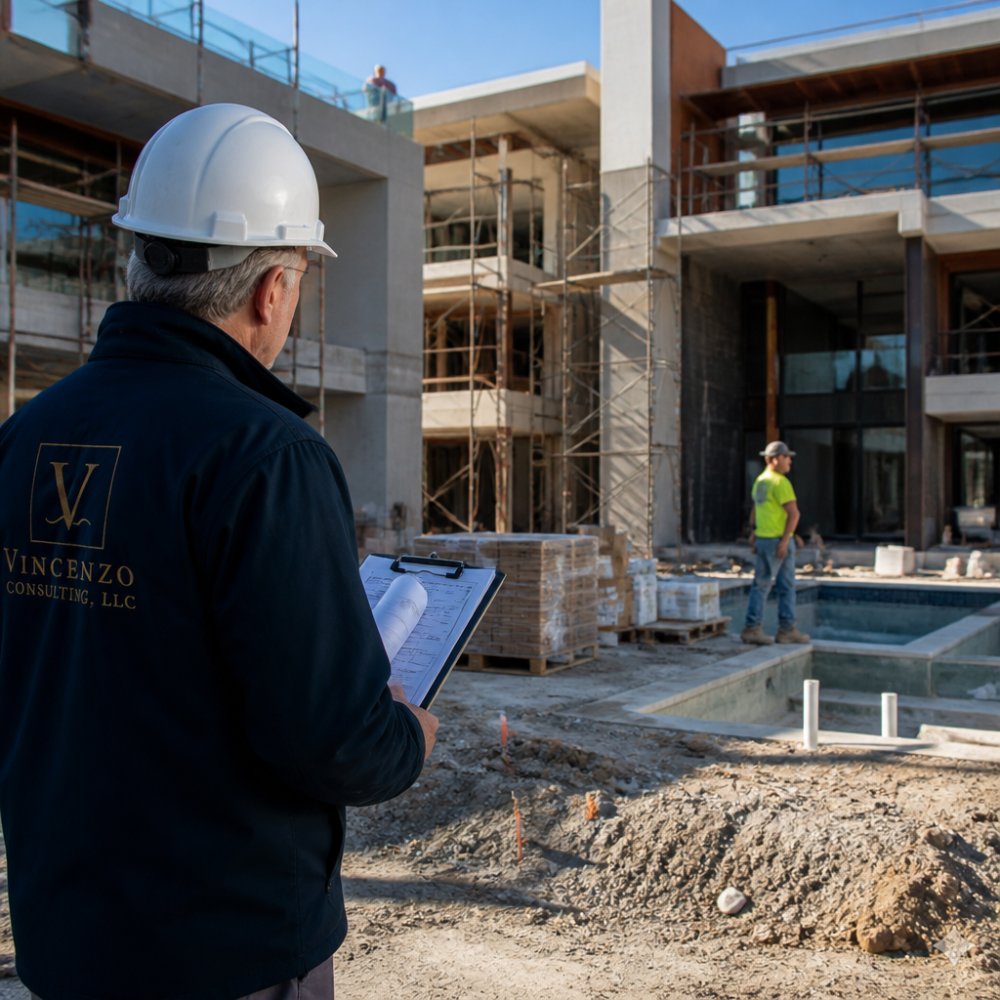
Your representative conducts regular site inspections, verifies work meets specifications before acceptance, and documents deficiencies in real time so contractors address them immediately.
Owner's Representative vs Construction Manager: Key Differences
These roles serve different masters and operate under different contractual structures. Understanding the distinction is critical to knowing whether you need owner's representation, a construction manager, or both.
Contractual Loyalty and Alignment of Interests
An owner's representative works exclusively for you with fiduciary duty solely to your interests. A construction manager may be hired by the owner, general contractor, or third party, creating potential conflicts.
Your owner's representative has no stake in contractor performance beyond ensuring it meets your standards and isn't incentivized to overlook shortcuts that compromise quality or timeline.
Scope of Authority and Decision-Making Power
An owner's representative typically holds authority to approve or reject work before payment, withhold payment for deficiencies, enforce schedule compliance, and challenge change orders before implementation.
A construction manager may have advisory authority only, with final approval resting with the owner or general contractor. A representative with contractual authority can stop deficient work immediately; a construction manager without that authority can only report and recommend.
Project Delivery Responsibility
A construction manager is often held partially responsible for project delivery outcomes, creating pressure to favor on-time, on-budget delivery over your long-term interests.
A construction manager employed by the general contractor might approve a material substitution to keep costs down. Your owner's representative would reject that substitution if it doesn't match your specifications, protecting your vision and capital.
When Each Role Makes Sense
On large, complex projects, you may need both roles. A construction manager handles day-to-day coordination; your owner's representative provides independent oversight.
On smaller projects with strong internal construction knowledge, a construction manager alone may suffice.
The key question: Who is accountable to you, and only you, if something goes wrong? That's your owner's representative.
When to Hire an Owner's Representative
The decision to hire an owner's representative hinges on project complexity, budget size, and your capacity to oversee construction.
Project Complexity and Budget Thresholds
Mixed-use developments, infrastructure projects, and multi-phase builds almost always benefit from independent oversight.
Smaller projects may benefit from periodic owner's representative reviews, especially if you lack construction experience.
Stakeholder Coordination and Scope Protection
When a project involves multiple stakeholders, scope creep becomes inevitable without active protection. Your representative coordinates these parties, enforces scope boundaries, and prevents revisions that derail budgets and timelines.
How Owner's Representatives Protect Your Interests and Vision
Your representative acts as your fiduciary, advocating for your position in disputes, validating contractor claims before payment, and escalating problems that threaten your objectives.
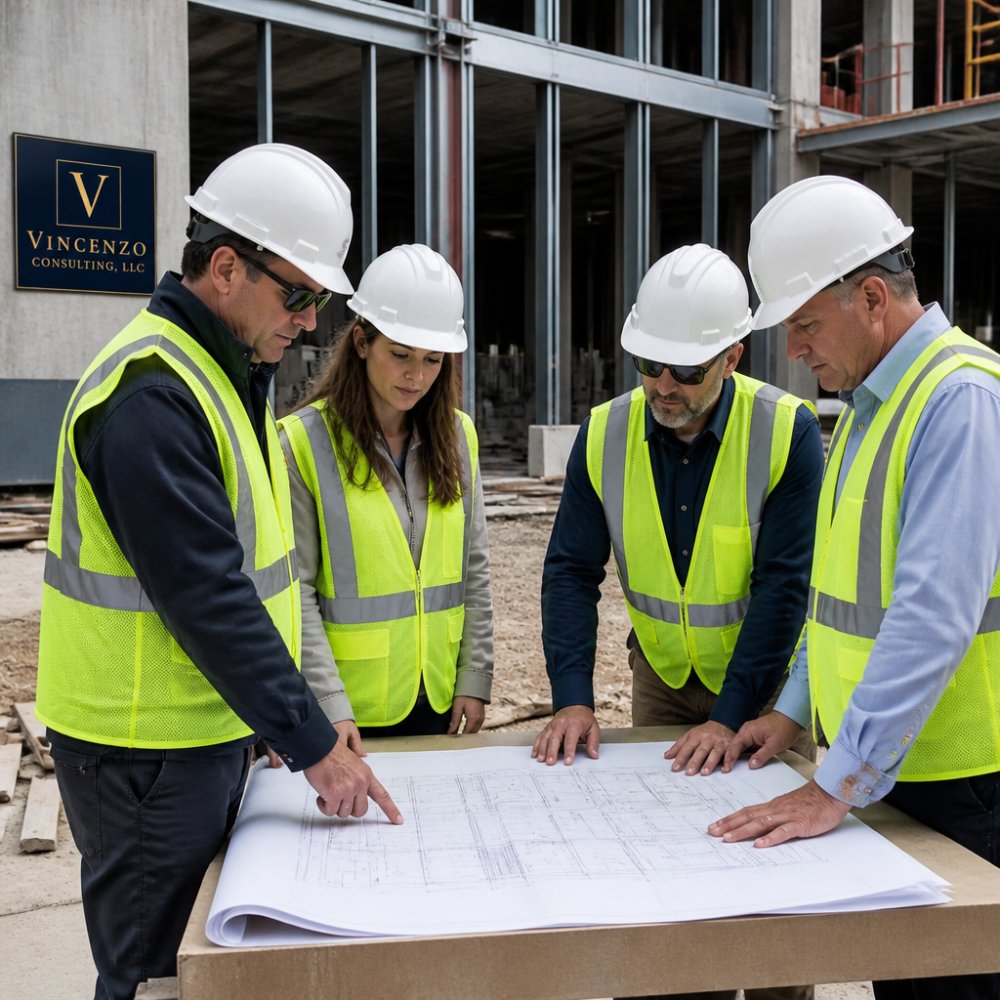
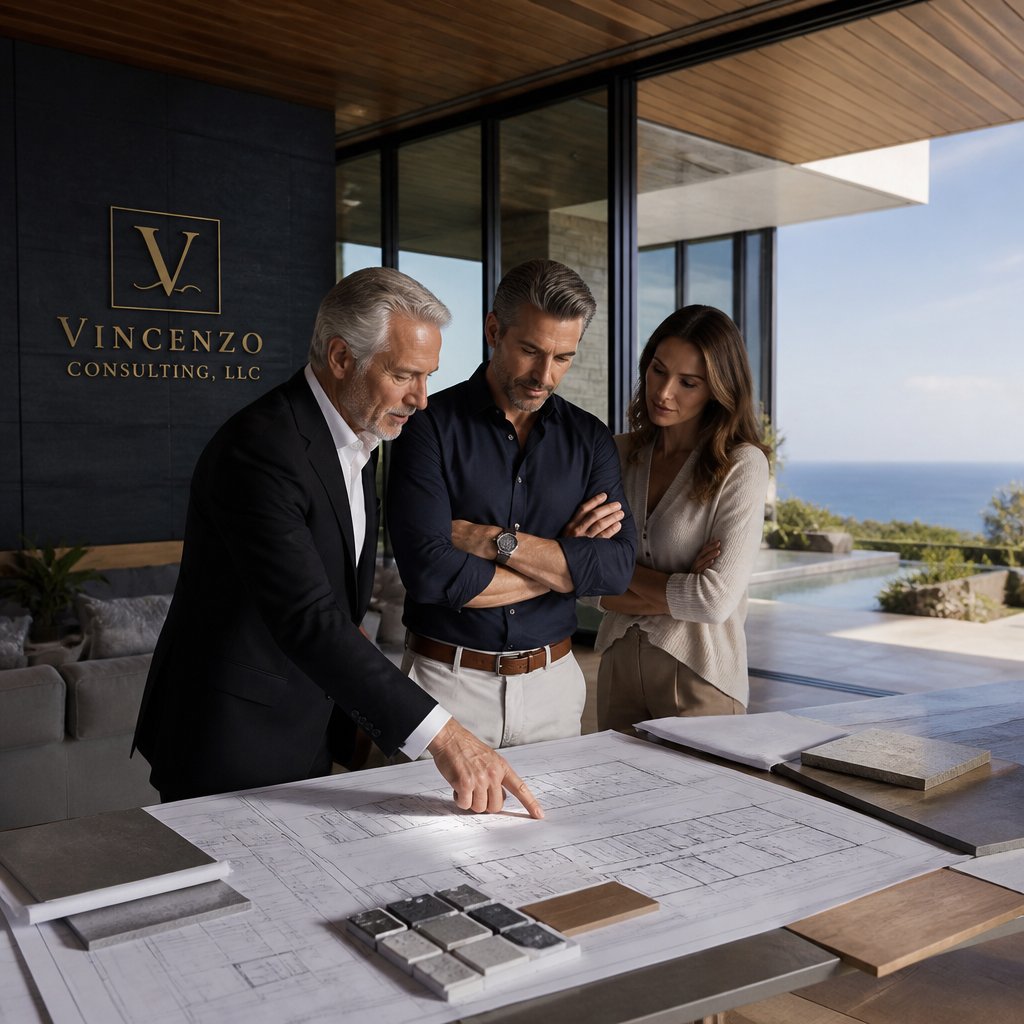
Your representative reviews material specifications against your original design intent, catches contractor substitutions before installation, and ensures finishes match your vision.
Your representative protects you from scope creep and change orders that compound into major budget impacts without active management.
Owner's Representative Hiring Checklist
Hiring the right representative determines whether you get disciplined oversight. The checklist below separates capable representatives from those who underperform under pressure.
Experience Verification: Beyond the Resume
Your representative must have verifiable experience managing projects at your scale and complexity type.
Reference calls: Ask for references from three completed projects of similar scope and complexity. Contact those owners directly and ask: Did the representative catch problems early?
Project documentation review: Ask the candidate to share a sample project file.
On-Site Presence and Real-Time Authority
Your representative must maintain regular on-site presence, typically weekly or more frequently during active construction, to catch problems in real time.
Before hiring, clarify in writing: How many days per week on-site during active construction? How will you handle emergencies?
Authority matters equally. Your representative needs contractual authority to:
- Approve or reject work before it's accepted
- Withhold payment for deficiencies until corrections are made
- Stop work that violates specifications or safety standards
Without that authority, they're advisory only, useful for reporting, but not protective.
Industry Expertise and Specialization
The best representatives combine broad construction knowledge with deep expertise in your specific project type. A representative with 20 years in commercial office construction brings valuable perspective to your office project.
During interviews, ask the candidate to describe a project similar to yours and walk you through the specific challenges they encountered and how they managed them. Listen for:
- Specific technical knowledge (e.g., cleanroom requirements for pharma, redundancy standards for data centers, material sourcing for luxury finishes)
- Familiarity with the trades and subcontractors typical to your project type
- Understanding of regulatory or compliance requirements specific to your project
Verify certifications where relevant. These credentials validate formal training and ongoing professional standards, though they don't replace project-specific experience.
Red Flags to Avoid
During your hiring process, watch for these warning signs:
Vague references or reluctance to provide them: A representative who can't or won't provide three solid references, or whose references are primarily other consultants rather than actual project owners, is a risk. You need to hear from owners who lived through the project with this person.
Overconfidence or guarantees: A representative who promises to "keep costs flat" or "guarantee no change orders" doesn't understand construction.
Divided focus or part-time availability: If the candidate is juggling multiple projects or treating your project as a secondary engagement, they won't catch problems early.
No documented process for escalation: Ask how they handle disputes with contractors or situations where they recommend a decision that costs more or delays the schedule.
The Interview: Three Questions That Matter Most
When you meet with candidates, ask these three questions and listen carefully to the depth and specificity of their answers:
-
"Tell me about a time when you recommended a decision that cost the owner more money or delayed the schedule. Why did you make that recommendation, and how did the owner respond?" A strong representative will describe a situation where they prioritized quality, safety, or long-term value over short-term cost or schedule. A weak representative will struggle to answer or will describe only situations where they saved money.
-
"How do you handle a situation where the contractor claims a change order is necessary, but you believe it's not?" Listen for a process: they review the contract, examine the facts, consult with the architect or engineer, document their position, and escalate to you if there's disagreement. A weak representative will defer to the contractor or avoid the conflict.
-
"Walk me through how you track and report budget and schedule performance." They should describe specific metrics (budget variance, schedule variance, change-order log), frequency of reporting, and how they flag problems early. Vague answers suggest they don't have a disciplined process.
Engagement Letter Clarity
Before signing, ensure the engagement letter specifies:
- Scope of work (planning phase, design phase, construction, closeout, or all phases)
- Fee structure and payment terms
- On-site presence expectations and schedule
A clear engagement letter prevents misunderstandings and ensures both you and your representative have aligned expectations from day one.
Measurable Outcomes: What Success Looks Like
Effective construction owner representation produces measurable results. Your representative should meet the scheduled completion date and achieve the quality standards outlined in your specifications.
Projects managed with disciplined owner representation typically show significantly lower punch-list deficiencies at completion.
At Vincenzo Consulting, LLC, we measure success by alignment: your project delivers what you envisioned, when you planned it, at the cost you approved.
Frequently Asked Questions
What are the main responsibilities of an owner's representative?
An owner's representative oversees budget management, schedule adherence, quality control, and contractor accountability throughout the project lifecycle. They monitor costs to prevent overruns, track timelines to ensure on-time delivery, conduct quality inspections, manage change orders, and serve as the owner's advocate in all project decisions. They also coordinate between the owner, architect, general contractor, and consultants to align project scope with your vision and objectives.
When should you hire an owner's representative for a construction project?
Hire an owner's representative early, ideally during the planning and design phases before construction begins. This allows them to review budgets, timelines, and contracts from the start. For large capital projects exceeding $5 million, complex stakeholder environments, or developments with tight deadlines and multiple phases, representation from inception protects your interests. First-time builders of custom estates or commercial projects also benefit from early engagement to avoid costly design and execution mistakes.
What is the difference between an owner's representative and a construction manager?
An owner's representative works exclusively for you and advocates for your interests, budget, and timeline. A construction manager may work for the general contractor or serve multiple parties, creating potential conflicts of interest. Owner's representatives focus on protecting your vision and financial discipline; construction managers often prioritize project delivery for the contractor. Additionally, owner's representatives typically provide white-glove oversight and strategic guidance, while construction managers handle day-to-day operational tasks.
How does an owner's representative help keep a project on budget and schedule?
They review all contracts, change orders, and procurement decisions before approval, preventing scope creep and unnecessary costs. They monitor contractor invoices against budgets, track spending in real time, and flag variances early. For schedules, they conduct progress reviews, identify delays before they cascade, coordinate resource allocation, and manage dependencies between phases. Their authority to approve or reject changes, and their presence on-site, ensures accountability and prevents the hidden cost overruns and timeline slippages that plague projects without dedicated oversight.
What should you look for when hiring an owner's representative?
Seek representatives with 15+ years of experience in your project type (luxury residential, commercial, infrastructure). Verify on-site presence and decision-making authority, not just report reviews. Ask for three recent project references with documented budget and schedule performance. Ensure they specialize in your project's complexity level and have relationships with quality contractors and consultants. Confirm they work exclusively for owners, not contractors, and understand your specific goals: cost control, timeline protection, quality standards, or all three.
Can an owner's representative help navigate complex permitting and environmental reviews?
Yes, experienced owner's representatives with infrastructure and commercial development expertise understand government permitting, environmental compliance, and regulatory timelines. They coordinate with agencies, manage documentation, anticipate approval delays, and integrate permitting schedules into overall project planning. This expertise prevents costly permit rejections and timeline surprises. However, confirm your representative has specific experience in your project type and jurisdiction before hiring, permitting complexity varies significantly by project and location.
What happens if costs overrun or contractor disputes arise mid-project?
A strong owner's representative has contractual authority to review and approve change orders, manage contractor disputes through documented communication, and escalate issues to you with clear recommendations. They investigate cost overruns, determine if they are legitimate scope changes or contractor inefficiency, and negotiate resolution. Their on-site presence and relationships with contractors give them leverage to resolve disputes quickly. They also protect you by ensuring all decisions are documented and aligned with your interests, not the contractor's.
Why does white-glove owner's representation cost more than hiring an in-house project manager?
Owner's representatives bring specialized expertise, on-site accountability, and decision-making authority that full-time staff cannot match. They carry professional liability insurance, maintain relationships with vetted contractors and consultants, and bring decades of experience navigating complex projects. They work exclusively for your interests, not your organization's internal politics. For large capital projects, their ability to prevent even small budget slippages and timeline delays often recovers their fees multiple times over through cost avoidance and risk mitigation.